Denmarks Notorious Noble Families
.png/:/cr=t:10.45%25,l:6.13%25,w:89.29%25,h:80.49%25/rs=w:365,h:365,cg:true,m)
Danneskiold-Samsøe
Danneskiold-Samsøe
Danneskiold-Samsøe
The house of Danneskiold-Samsøe is one of the most prestigious noble families in Denmark because of its direct royal origin. The family descends from Christian Gyldenløve, son of King Christian V and Sophie Amalie Moth, Countess of Samsøe, and received the Danneskiold name by royal patent in 1695.
.png/:/rs=w:365,h:365,cg:true,m/cr=w:365,h:365)
Wedell
Danneskiold-Samsøe
Danneskiold-Samsøe
The Wedell family, especially the Wedell-Wedellsborg line, is one of Denmark’s most important comital houses, historically tied to Grevskabet Wedellsborg and later also to Frijsenborg. Wedellsborg was created as a countship in 1672, while Frijsenborg has been in Wedell ownership since 1923; together, these estates made the family one of
The Wedell family, especially the Wedell-Wedellsborg line, is one of Denmark’s most important comital houses, historically tied to Grevskabet Wedellsborg and later also to Frijsenborg. Wedellsborg was created as a countship in 1672, while Frijsenborg has been in Wedell ownership since 1923; together, these estates made the family one of the most significant landholding noble houses in modern Denmark.
.png/:/cr=t:0%25,l:0%25,w:100%25,h:100%25/rs=w:365,h:365,cg:true)
Knuth
Danneskiold-Samsøe
Reventlow
The Knuth family is a Mecklenburg uradel house that became one of Denmark’s great noble families after entering Danish service in the seventeenth century. Its greatest seat, Knuthenborg, was made a countship in 1714 and remains one of the best-known noble estates in Denmark, today strongly associated with heritage, landscape, and public cultural visibility.
.png/:/cr=t:9.73%25,l:0%25,w:100%25,h:77.19%25/rs=w:365,h:365,cg:true)
Reventlow
Danneskiold-Samsøe
Reventlow
The Reventlow family belongs to the old Schleswig-Holstein and Danish high nobility, with roots in Ditmarsken and Holstein. Its importance is both political and social: members served the Danish monarchy in high office, while Christian Ditlev Frederik Reventlow became one of the central figures of Denmark’s great agricultural and social reforms in the late eighteenth century.
.png/:/cr=t:4.56%25,l:0%25,w:100%25,h:86.08%25/rs=w:365,h:365,cg:true)
Bille Brahe Selby
Bille Brahe Selby
Bille Brahe Selby
Bille Brahe Selby represents a fusion of several of Denmark’s most distinguished noble traditions, especially the old Bille and Brahe families. The family is tied to Grevskabet Brahesminde and to Rønningesøgård, which has been owned by the Bille Brahe Selby family since 1913, giving the house both medieval prestige and modern estate continuity.
.png/:/cr=t:11.91%25,l:10.9%25,w:80.65%25,h:68.76%25/rs=w:365,h:365,cg:true,m)
Ahlefeldt
Bille Brahe Selby
Bille Brahe Selby
The Ahlefeldt family is one of the great Holstein-Danish noble houses, with medieval roots and a long history in the service of both the Danish Crown and the Schleswig-Holstein nobility. Unlike many old noble families, the Ahlefeldts preserved wealth and influence through the age of absolutism, and their branches remain associated with major estates such as Tranekær, Egeskov, and Hvidkilde.
.png/:/cr=t:7.74%25,l:5.36%25,w:89.29%25,h:75.94%25/rs=w:365,h:365,cg:true,m)
Moltke
Bille Brahe Selby
Holstein
The Moltke family is one of the most important “newer” aristocratic houses of eighteenth- and nineteenth-century Denmark. Adam Gottlob Moltke became one of the most powerful men under Frederik V, while Adam Wilhelm Moltke formed Denmark’s first constitutional government in 1848; through Bregentved and other estates, the family became dee
The Moltke family is one of the most important “newer” aristocratic houses of eighteenth- and nineteenth-century Denmark. Adam Gottlob Moltke became one of the most powerful men under Frederik V, while Adam Wilhelm Moltke formed Denmark’s first constitutional government in 1848; through Bregentved and other estates, the family became deeply embedded in Danish political, administrative, and landed history.
.png/:/cr=t:12.07%25,l:5.36%25,w:89.29%25,h:71.31%25/rs=w:365,h:365,cg:true,m)
Holstein
Bille Brahe Selby
Holstein
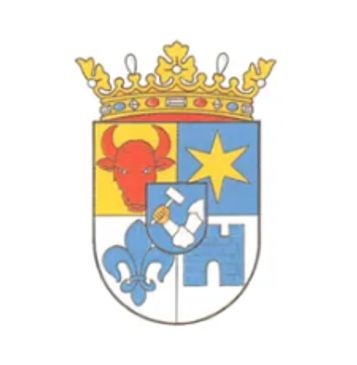
The Holstein family is a Mecklenburg uradel house whose Danish branches became central through Holsteinborg and Ledreborg. The family’s importance lies in its combination of high noble rank, major estates, and political influence: Holsteinborg has remained in the family since the early eighteenth century, while Ledreborg became one of Denmark’s most significant baroque noble estates.
Schaffalitzky de Muckadell
Schaffalitzky de Muckadell
Schaffalitzky de Muckadell
Schaffalitzky de Muckadell is one of Funen’s most important noble families, closely connected to Muckadell Gods, including Arreskov, Brobygård, and Gelskov. The creation of Grevskabet Muckadell in the late eighteenth century gave the family high comital standing, while Arreskov has remained in the family’s possession since 1773.

Lerche-Lerchenborg
Schaffalitzky de Muckadell
Schaffalitzky de Muckadell
The Lerche-Lerchenborg family descends from the ennobled Lerche family and is inseparably connected with Lerchenborg, one of Denmark’s classic noble estates. The family’s importance comes from its eighteenth- and nineteenth-century rise into the comital nobility, its continuing association with Lerchenborg, and its place among the historically significant estate-owning houses of Zealand.